The Global Internet Forum to Counter Terrorism (GIFCT) joined policymakers, practitioners, and subject-matter experts at the United Nations Counter-Terrorism Week (CT Week), featuring the fourth UN High-level Conference of Heads of Counter-Terrorism Agencies of Member States, the General Assembly’s review of the UN Global Counterterrorism Strategy (GCTS) resolution, and approximately 40 side events.
GIFCT co-hosted three side events, launched a new report, and engaged with key global stakeholders to deepen collective understandings of regional and global threats and trends, industry solutions and approaches, and shape the technical solutions, tools, and resources GIFCT provides its member tech platforms.
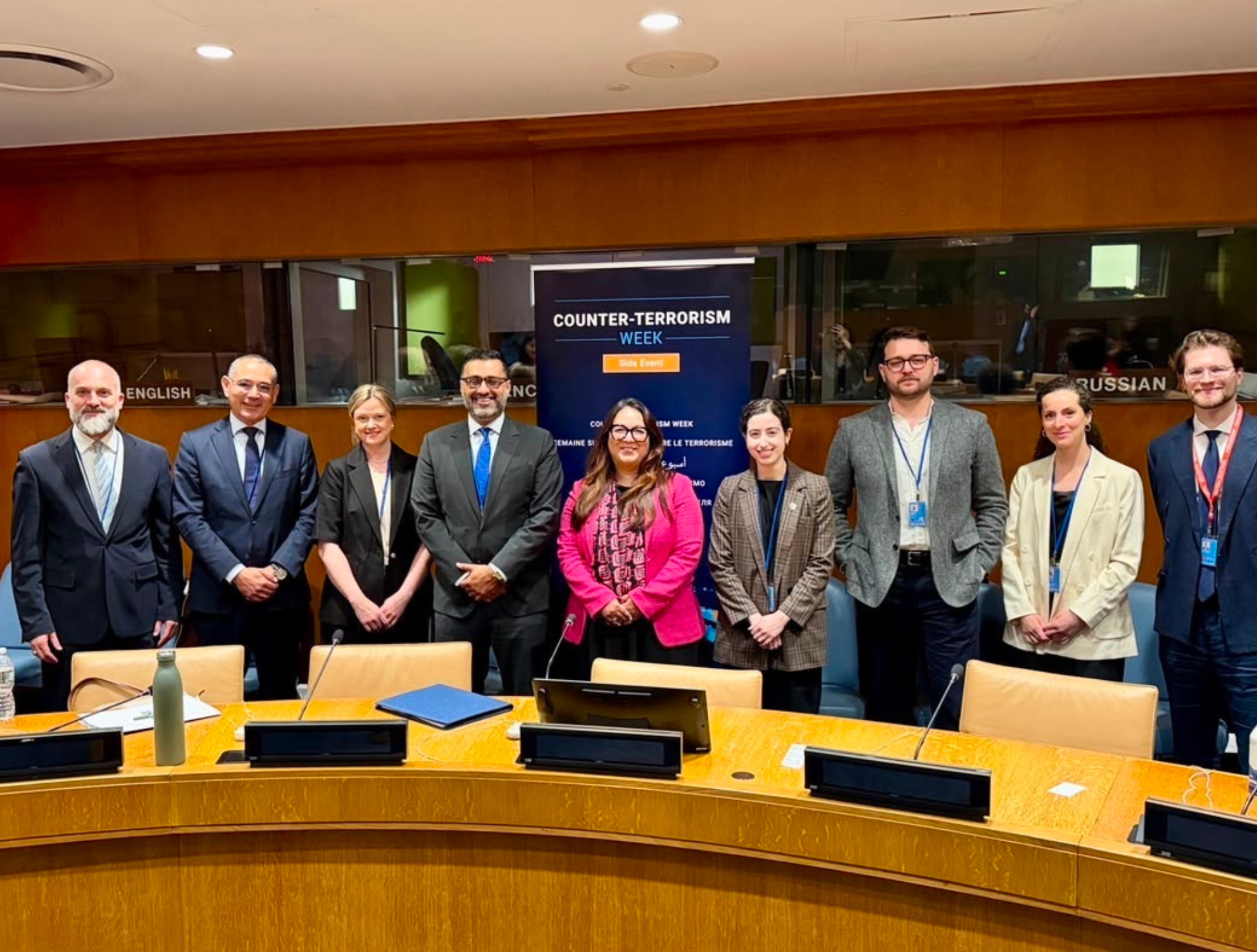
Addressing the Exploitation of Online Gaming Spaces: Multi-stakeholder Approaches to Prevent Violent Extremism and Counter Terrorist Financing
On Friday, June 26th, GIFCT was pleased to co-host an event in partnership with the Organization for Security and Co-operation in Europe (OSCE) and the Permanent Mission of Austria to explore how terrorists and violent extremists may exploit gaming and gaming-adjacent spaces for terrorist financing purposes. Speakers considered the implications of exclusionary narratives shaping gaming environments and norms, as well as the critical importance of applying gender-sensitive engagement approaches in prevention efforts.
In her opening remarks, GIFCT Executive Director Naureen Chowdhury Fink noted that while cases of terrorist financing through gaming and gaming-adjacent platforms remain limited, emerging risk assessments reveal potential vulnerabilities associated with alternative value transfers, as they are neither aligned with nor currently regulated by anti‑money laundering standards. “Understanding these risks and addressing the threats,” she emphasized, “is essential to developing effective prevention and mitigation strategies.”
In her panel briefing, GIFCT Incident Response Associate Jessa Mellea explained that gaming and gaming-adjacent spaces can be effective environments for terrorist and violent extremist recruitment, as the social nature of these communities facilitates camaraderie and relationship-building. Preventing the exploitation of these spaces, she underscored, requires a multi-layer, multi-stakeholder approach that deploys a comprehensive suite of preventative, proactive, and reactive measures.
For more information, see the event agenda and concept note.
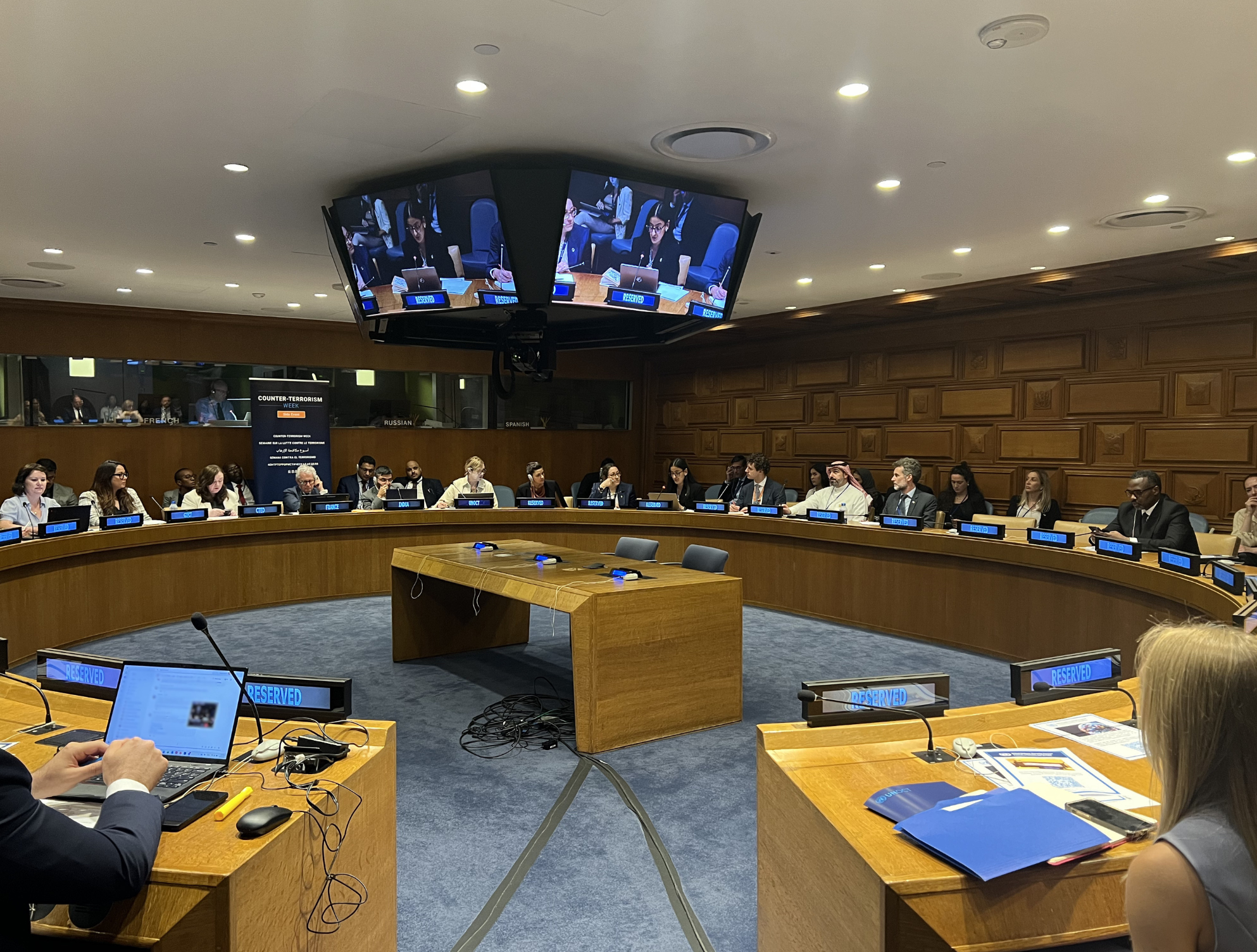
Joining Forces to Counter Terrorism Financing in the Context of Evolving Threats and Emerging Technologies
On Monday, July 29th, GIFCT, in partnership with the Permanent Missions of France and India, and the UN Counter-Terrorism Committee Executive Directorate (CTED), organized an event to examine new and emerging risks and trends in terrorism financing, including those often overlooked in national risk assessments, and draw attention to the priority gaps and challenges requiring support from cross-sector stakeholders.
In her opening remarks, Executive Director Fink highlighted that, “because no single state or sector can alone identify and address the threats of terrorists and violent extremists both online and offline, and because adversaries are continually adapting, global counter-terrorism efforts must leverage the collective capacity of public-private partnerships to ensure responses to terrorist financing are both timely and adaptable.” She also highlighted GIFCT’s 2026 Working Group on Countering the Financing of Terrorism Online, which is convening a community of industry, civil society, and government representatives to map the emerging threats and risk areas in terrorist financial activity online, as well as GIFCT’s contributions to recent reports from the Financial Action Task Force and the 1267 Monitoring Team.
Noting how adversaries are adapting their methods to avoid detection and maximize profit potential, GIFCT Senior Lead of Memberships and Programs Dr. Nagham El Karhili shared examples of emerging trends in her panel briefing. She highlighted the use of legitimate-looking commercial sales and blending crypto and AI to automate micro-transactions – “agentic smurfing” – to evade detection. Despite the rapid evolution of adversarial tactics, she noted, tech platforms are actively working to strengthen policies and signal-sharing architectures to better address these threats. Recognizing the mix of expertise needed to address these issues, she stressed that multi-stakeholder collaboration remains essential to a whole-of-society approach.
For more information, see the event agenda and concept note.
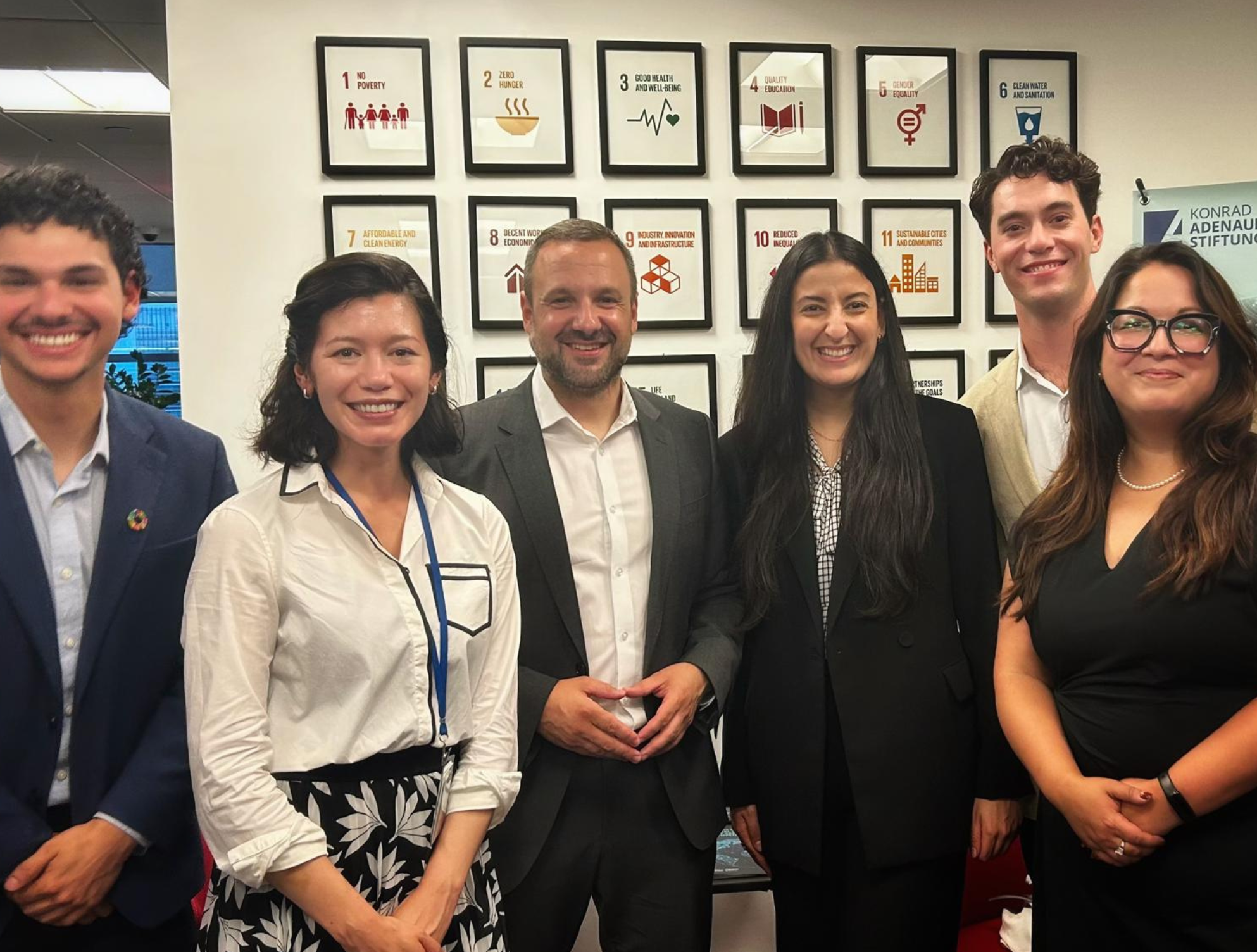
GIFCT and KAS Launch New Report: Terrorist Exploitation of Armed Conflicts for Digital Content
GIFCT and the Konrad-Adenauer-Stiftung (KAS) have partnered on a research project exploring the implications of armed conflicts for terrorist and violent extremist content online – and vice versa. GIFCT was pleased to co-host a launch event for the new report on June 29th, bringing together key multi-stakeholder representatives. The event, hosted at the KAS offices, featured a welcome message from KAS Executive Director Thomas Tödtling, an introduction to the project and a summary of key findings by GIFCT Executive Director Fink, and reflections and observations on the report and findings from CTED Coordinator of Political Analysis & Research Racheal Atley.
As highlighted in Pillar One of the GCTS, prolonged and unresolved conflicts remain one of many conditions conducive to the spread of terrorism. As armed conflicts proliferate across the world, the report examined three conflict zones – Afghanistan, the Sahel, and Ukraine – to explore how terrorists and violent extremists are exploiting dynamics on the ground to generate content, identifying commonalities across contexts but also individualized approaches taken by adversarial actors. The report features author contributions offering regionally tailored analyses and highlights, with inputs from GIFCT to frame the issues and identify recommendations and key considerations for industry, policymakers, and practitioners.
A virtual webinar on July 15th will provide opportunities to hear in greater detail about the regional case studies and dynamics and join the expert discussion. Register now to join the session.
UN CT Week Side Events and Engagements
UN CT Week side events provided a unique opportunity for global partners to gather, brief one another on progress, identify evolving threats and trends, and explore future partnerships. GIFCT was delighted to attend and participate in events relevant to our mission including events hosted by the Permanent Missions of Austria, the Kingdom of Bahrain, Finland, France, India, Iraq, Malaysia, Morocco, Netherlands, Norway, Saudi Arabia, Turkiye, Turkmenistan; the Aqaba Process; CTED; the European Union; the International Organization for Migration; the Islamic Military Counter Terrorism Coalition; the Strong Cities Network; the UN Alliance of Civilizations; the UN Office of Counter-Terrorism; and many other valued partners.