May 27-28, 2026 / London, UK – The Global Internet Forum to Counter Terrorism (GIFCT) was pleased to partner with the Global Network on Extremism and Technology (GNET), its academic research arm, to convene leading representatives from industry, government, academia, and civil society for a series of events to strengthen collective efforts to address the evolving ways in which terrorists and violent extremists exploit online spaces. The events included GNET’s Sixth Annual Conference and GIFCT’s Global Multi-Stakeholder Forum, which highlighted emerging research and analysis and considered their applications for policy and practice, drawing on multi-stakeholder perspectives on the intersections of tech, terrorism, and counterterrorism.
Sixth Annual GNET Conference
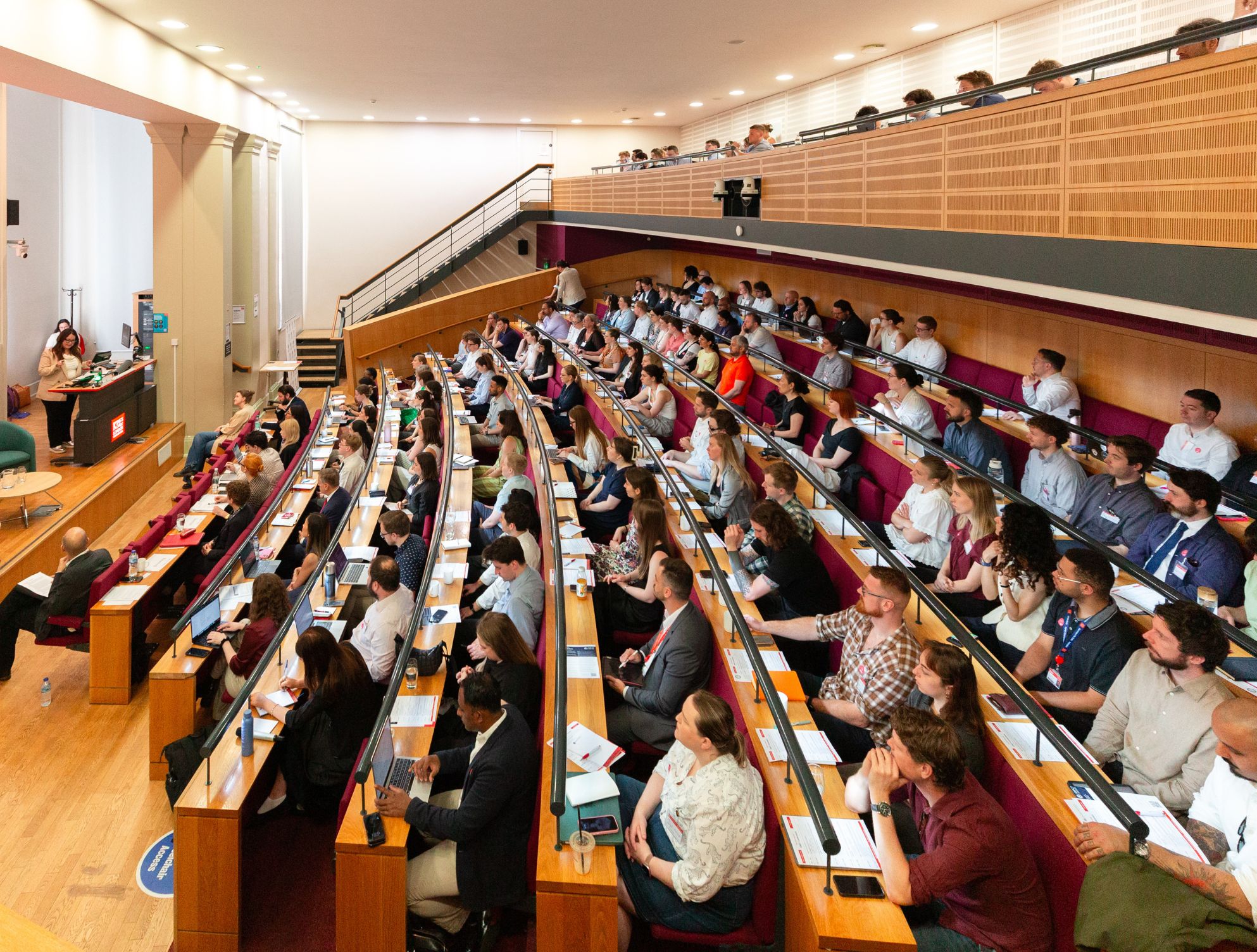
Day one of the event series began with introductory remarks from Julien Bellaiche, Research Director of GNET, who outlined GNET’s mission to promote responsible research on issues within the violent extremism and technology nexus. Highlighting the evolution of online threats, GIFCT Executive Director Naureen Chowdhury Fink then underscored the need to confront challenging questions about the shift in threats toward more unpredictable, diffuse actors, including how to advance tech solutions and collaboration while protecting fundamental human rights and civil liberties.
Professor Audrey Kurth Cronin, Director of the Carnegie Mellon Institute for Strategy and Technology, outlined how technology has evolved terrorism and counterterrorism measures in the keynote address. The central question regarding technology and terrorism today, she shared, is how quickly technology diffuses into the hands of violent non-state actors. Since these groups opportunistically adopt readily available technologies, their efforts are organized around five key areas: digital mobilization, propaganda creation, reconnaissance, fundraising, and power projection. She stressed that while terrorists and violent extremists will continue to employ new technologies, the most crucial consideration is how tech platforms and governments design tools and policies that effectively mitigate the threat while respecting human rights and transparency.
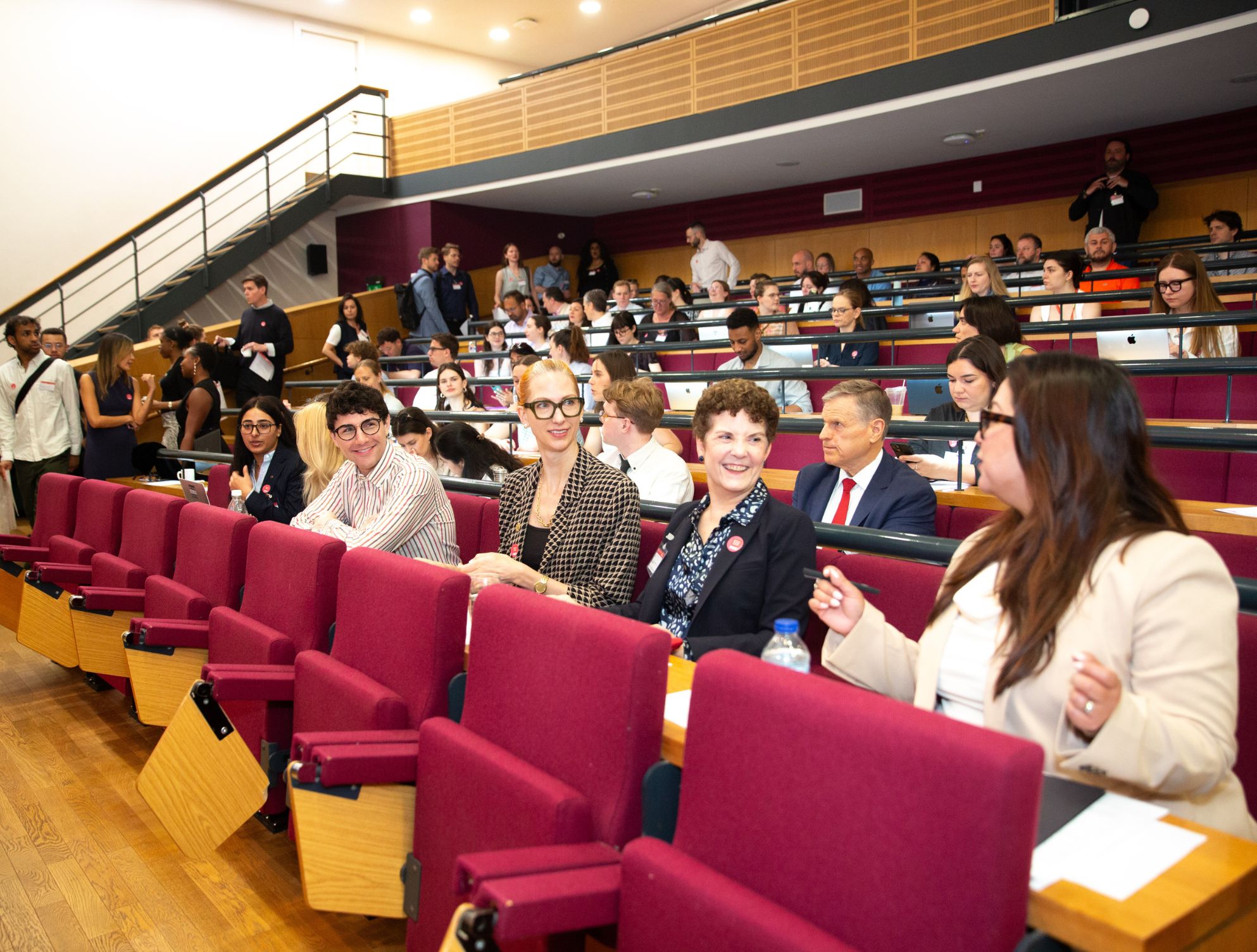
Conference sessions examined emerging tech and evolving tactics, featuring insights from GNET case studies on how new technologies are reshaping terrorist and violent extremist activities. Discussions also explored the online threat landscape of misanthropic and violence-fixated subcultures from regional and policy perspectives, and the legal, ethical, and practical challenges related to the future of terrorism and violent extremism research and multi-stakeholder cooperation.
Key findings highlighted that the threat landscape is becoming increasingly hybridized and decentralized as networks blend harms and as online and offline dimensions of radicalization become more intertwined. Nihilistic Violent Extremism, characterized as a less ideological, more aesthetic threat often driven by personal grievances, presents a hybridized risk that crosses multiple harm types. Terrorists and violent extremists, it was explained, are using emerging technologies in new ways, such as shifting financing to smaller-scale cryptocurrency microtransactions and moving instructional materials for drones and 3D-printed weapons to less visible, encrypted online spaces. The day underscored that these evolving threats require researchers and policymakers to move beyond siloed policy frameworks, adopt flexible, rights-respecting information-sharing solutions for cross-platform coordination, and identify solutions to facilitate the critical partnerships necessary to address the harms of today’s threat landscape.
GIFCT Multi-Stakeholder Forum
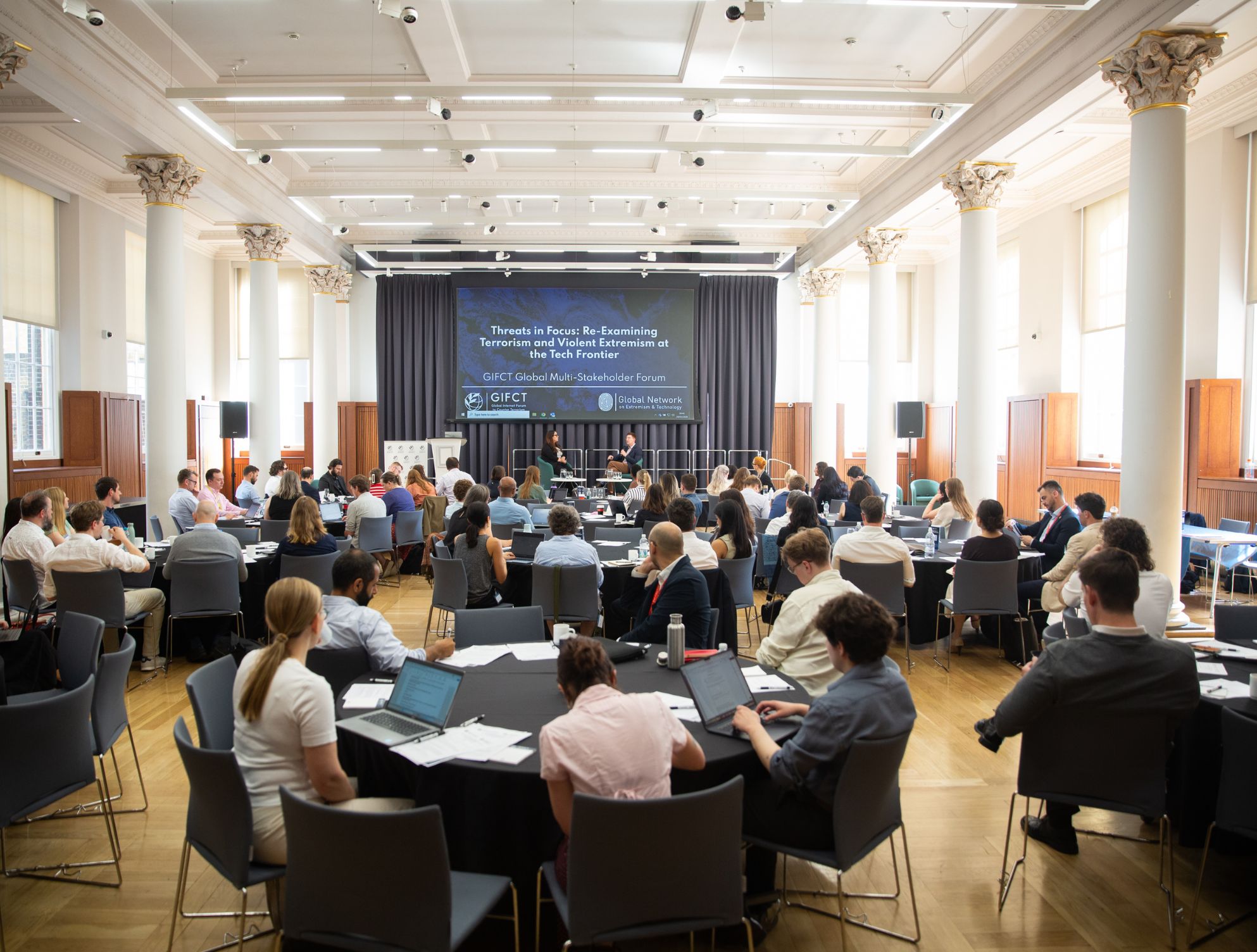
GIFCT’s Multi-Stakeholder Forum, which convened representatives from member companies, civil society, and government at King’s College London, followed the GNET research conference and focused more on industry solutions and experiences from governments and experts in addressing contemporary trends. Opening remarks from GIFCT Executive Director Naureen Chowdhury Fink outlined GIFCT’s impact and highlights from the past year, and the critical value of cross-sector and cross-platform collaboration. “This multi-stakeholder model is not simply a convening format. It is at the core of how we make progress, “ she said. “No single actor can address these challenges alone: our response needs to be grounded in evidence, informed by diverse perspectives, and focused on delivering tangible impact.”
As the threat landscape becomes increasingly varied and states and platforms alike grapple with diverse, competing risks, tech platforms are adapting and developing tools and policies to address emerging threats. A “fireside chat” between Executive Director Fink and a leading tech industry representative highlighted the importance of developing policy processes and mechanisms that are responsive to diverse, simultaneous threats while supporting prioritization and resource allocation. The discussion further underscored that innovative tools built with artificial intelligence, while not a universal solution, are becoming more valuable in helping trust and safety teams reduce cognitive burdens and track the frequent changes in signals across subcultures. The discussion reiterated the importance of cross-platform and cross-sector information sharing and of developing more creative ways to blend enforcement with regionally informed prevention work to improve online safety.
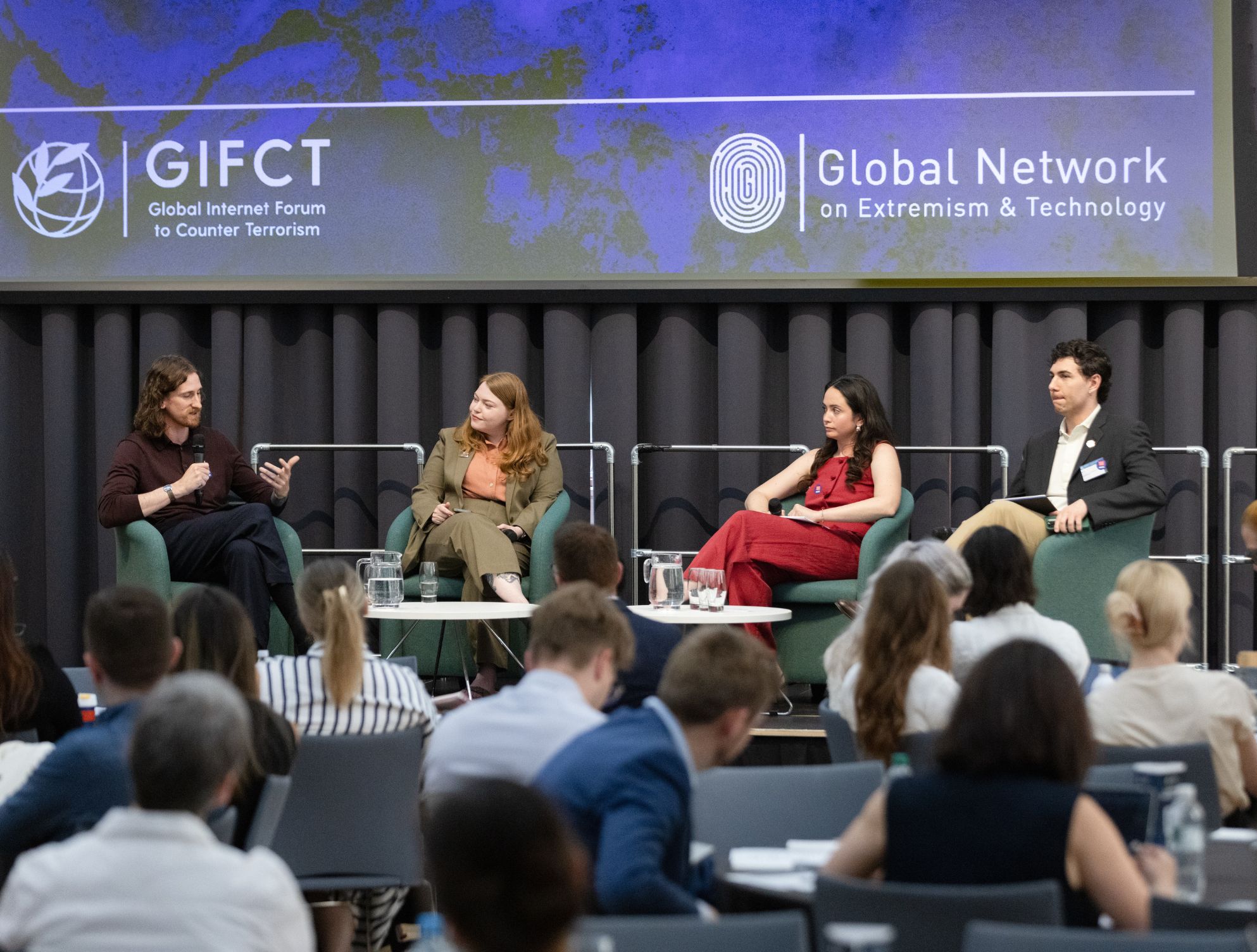
Global Tech Perspectives on the Online Threat Landscape
GIFCT member companies took the stage for a conversation moderated by Skip Gilmour, GIFCT’s Director of Trust and Safety Solutions, to share the newest manifestations of terrorist and violent extremist exploitation online. Providing an overview of how trust and safety teams leverage technology for their investigations and moderation, speakers underscored the value of machine learning and large language models, and of employing behavioral approaches to understand community trends while noting that artificial intelligence platforms face risks that require alternative approaches to identifying harmful content. Hackathons, red-teaming, and strengthening classifiers used to identify dangerous activity are increasingly important, the panel emphasized. The panelists agreed that as threats become increasingly blurred, policy approaches to addressing novel harms matter more than ever. Nihilistic violence, criminal organizations, and the exploitation of youth offered examples of how traditionally siloed harms are becoming more prevalent across online spaces, demanding flexible policies and collaborative frameworks to facilitate cross-platform knowledge exchange.

At the Nexus: Diverse Harms Types and Terrorism and Violent Extremism
To explore the nexus of diverse harms, panelists from law enforcement, civil society, and tech outlined the novel threats that span often-siloed harm types and geographies, and reflected on the impact of armed conflict on online threats. In the Sahel, Jama’a Nusrat ul-Islam wa al-Muslimin (JNIM) and Islamic State leverage distinct techniques to evade moderation, propagate messages, proselytize ideology, and provoke violence. Local dialects, coded language, and emojis minimize the likelihood of moderation, while curated messaging campaigns directed at impacted communities continue to be a central tactic for spreading terrorist messaging, the audience heard.
The panel, moderated by GNET’s Julien Bellaiche, highlighted the central role of cryptocurrency among terrorist and violent extremist groups seeking to leverage emerging tech capabilities for illicit finance and adapt them to local contexts. As crime and terrorism become more closely linked in both on and offline spaces, the classifications of terrorist and violent extremist organizations can play a key role in how trust and safety teams operate. Language processing, photo and video matching, search redirects, and custom messaging informed by local insights are tools being applied to address these threats. The panel underscored that, from downstream enforcement to upstream interventions, tech, civil society, and law enforcement all play critical roles in protecting vulnerable communities online.
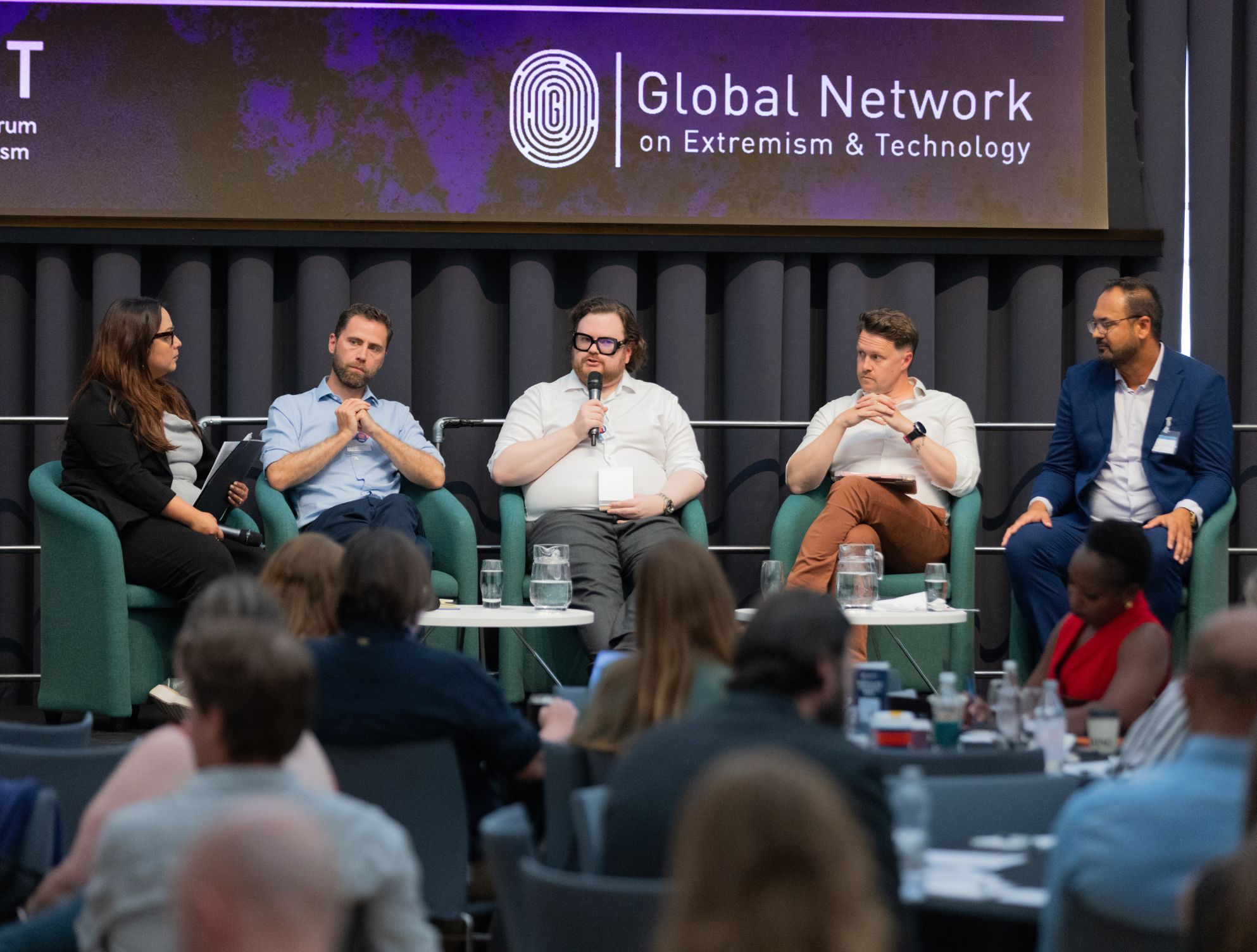
Policies & Partnerships: Cross-Sector Approaches to Improving Online Safety
Moderated by Executive Director Fink, the third session featured a dialogue between civil society and government officials on the fundamental role of information exchange and partnerships in safeguarding efforts. Speakers outlined four foundational principles for advancing online safety: building established relationships between government and tech, leveraging analysis and data insights, enacting regulations, and establishing structures for cooperation and collaboration across platforms and sectors. However, while governments can exert influence, legislate, and dedicate funding to counterterrorism, real success comes from meeting vulnerable people where they are and providing services that minimize downstream risk, a panelist reminded everyone.
The discussion also emphasized the importance of focusing on behavioral signals and collaborating with civil society organizations to address the early stages of radicalization. Agreeing that the first step to any progress is rooted in developing trusted relationships, presenters called for more open communication among all stakeholders across tech, civil society, and government.
During the session, Executive Director Fink announced the launch of GIFCT’s revised and updated Definitions and Legislation Project. The updated tool features the Global Legislative Map, designed to support practitioners in navigating how governments around the world are legislating on terrorist and violent extremist content online by tracking legislation, ensuring that GIFCT’s multi-stakeholder community is equipped to counter the terrorist and violent extremist threat as it manifests online.

Innovative Interventions: How Tech Platforms Counter Online Threats
The final session of the day, led by GIFCT Senior Director of Membership & Programs Dr. Erin Saltman, focused on practical tools and illustrative examples from tech platforms on mitigating online threats. The need to limit harms by building a comprehensive approach rather than relying on reactive enforcement alone was a common refrain throughout this session, reflecting a recurring theme throughout the day. Proactive prevention, prioritizing behavioral indicators, developing innovative technological tools, and partnerships with civil society prove central to the digital counterterrorism space, panelists noted. As a speaker highlighted, behavioral indicators enable intervention at the interest stage, not just the action stage.
New tools such as redirects, custom messaging, and gated content offer in-product interventions, but are only credible and effective when developed in partnership with civil society, whose on-the-ground knowledge ensures cultural understandings and real-world legitimacy. Digital literacy is also playing an equally important role in building resilience among online communities. By adopting an education-forward approach, platforms are empowering their users with skills and understanding that can be applied across numerous digital contexts, promoting online safety beyond a single platform.
Reiterating the importance of cross-platform signal sharing, the day concluded with an overview of industry tools that empower trust and safety efforts by leveraging shared resources, actionable intelligence, and streamlined information-sharing processes that respect user privacy and protect fundamental human rights.
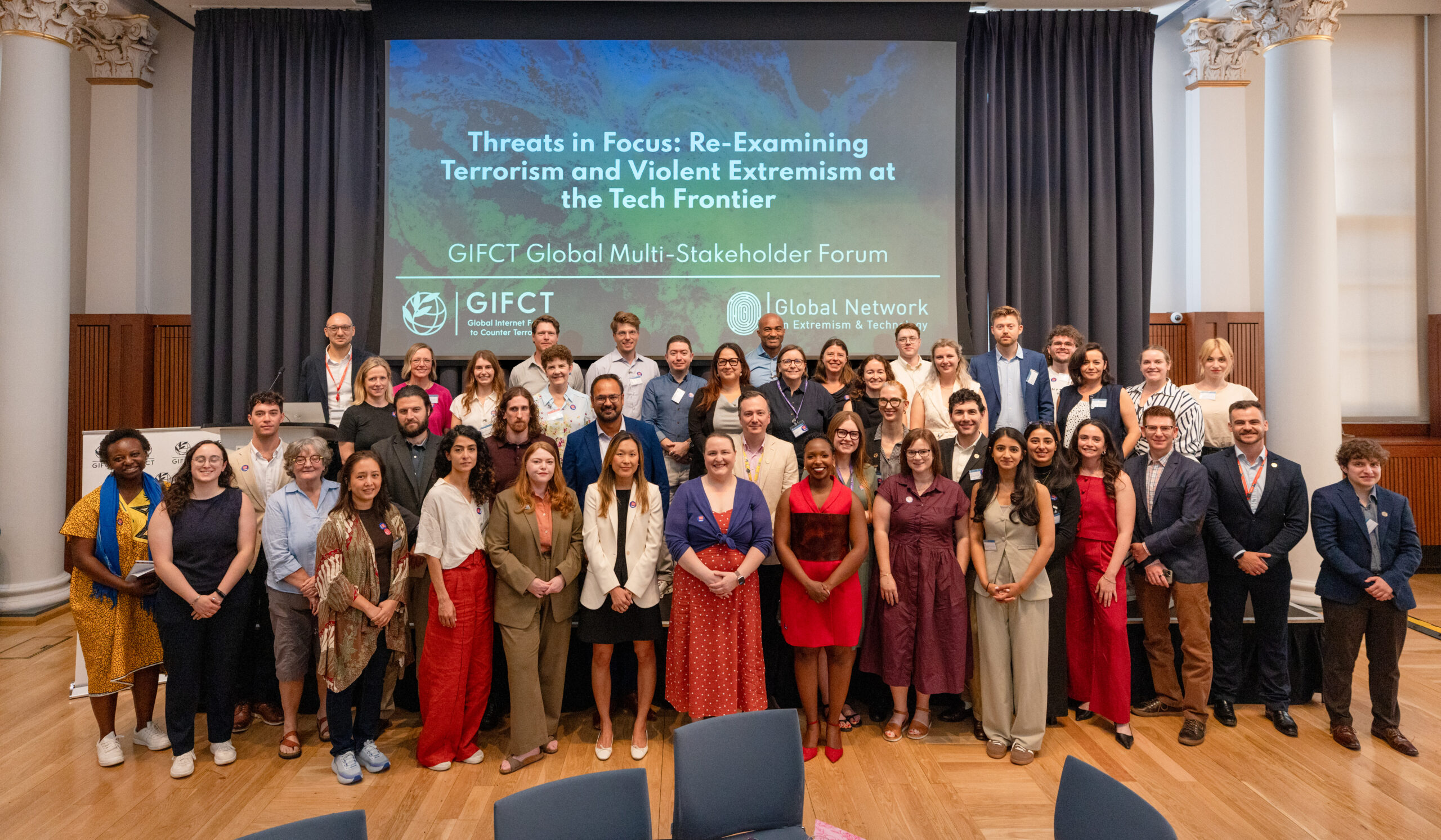
The events in London affirmed the critical necessity of GIFCT’s multi-stakeholder community in confronting the ever-evolving threat of terrorism and violent extremism both online and offline. By convening leading representatives from industry, government, academia, and civil society, the events provided a vital platform to engage on key areas of divergence and convergence, particularly on navigating shifting threats and balancing effective counterterrorism with fundamental human rights and transparency. The discussions underscored the need for practical tools and strategies—from innovative AI-driven interventions and cross-platform signal sharing to civil society-informed interventions—that equip industry, government, and civil society with the resources needed to address today’s hybridized and decentralized threat landscape collaboratively.